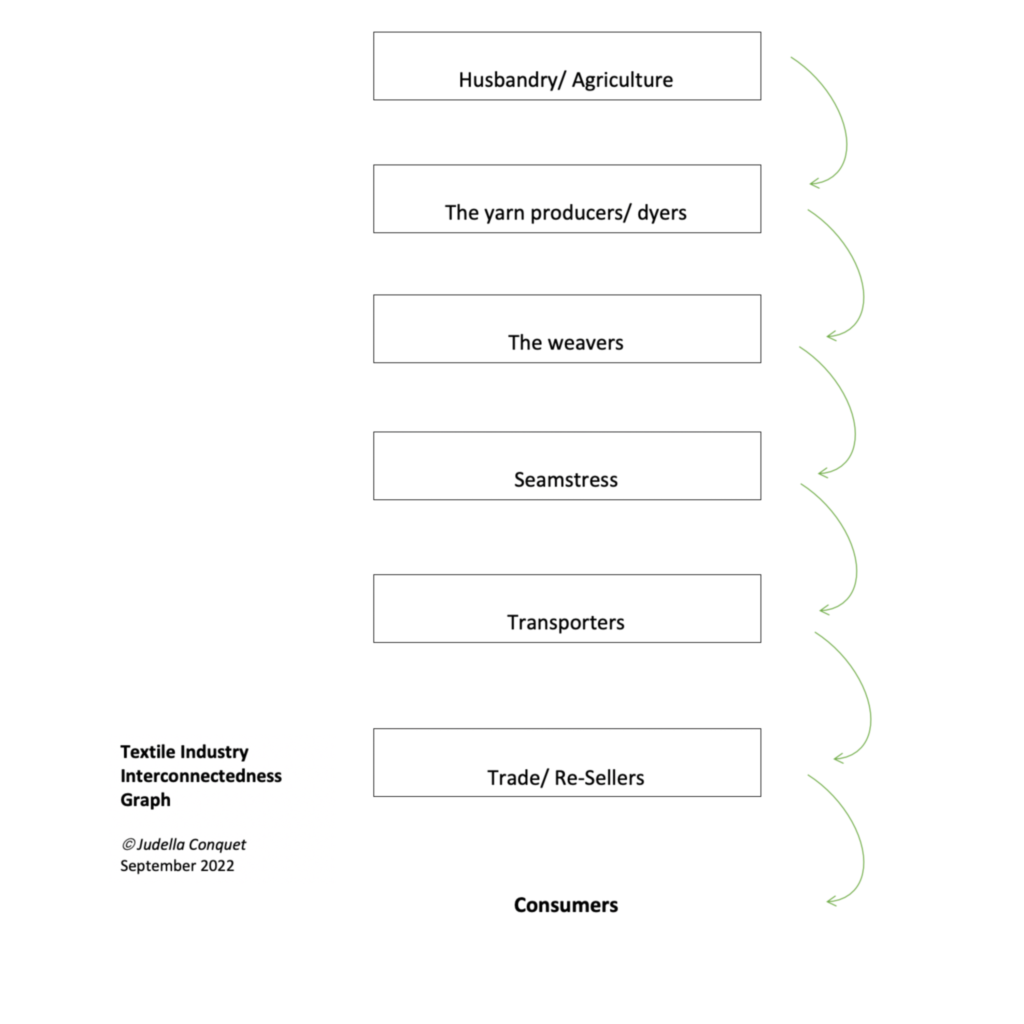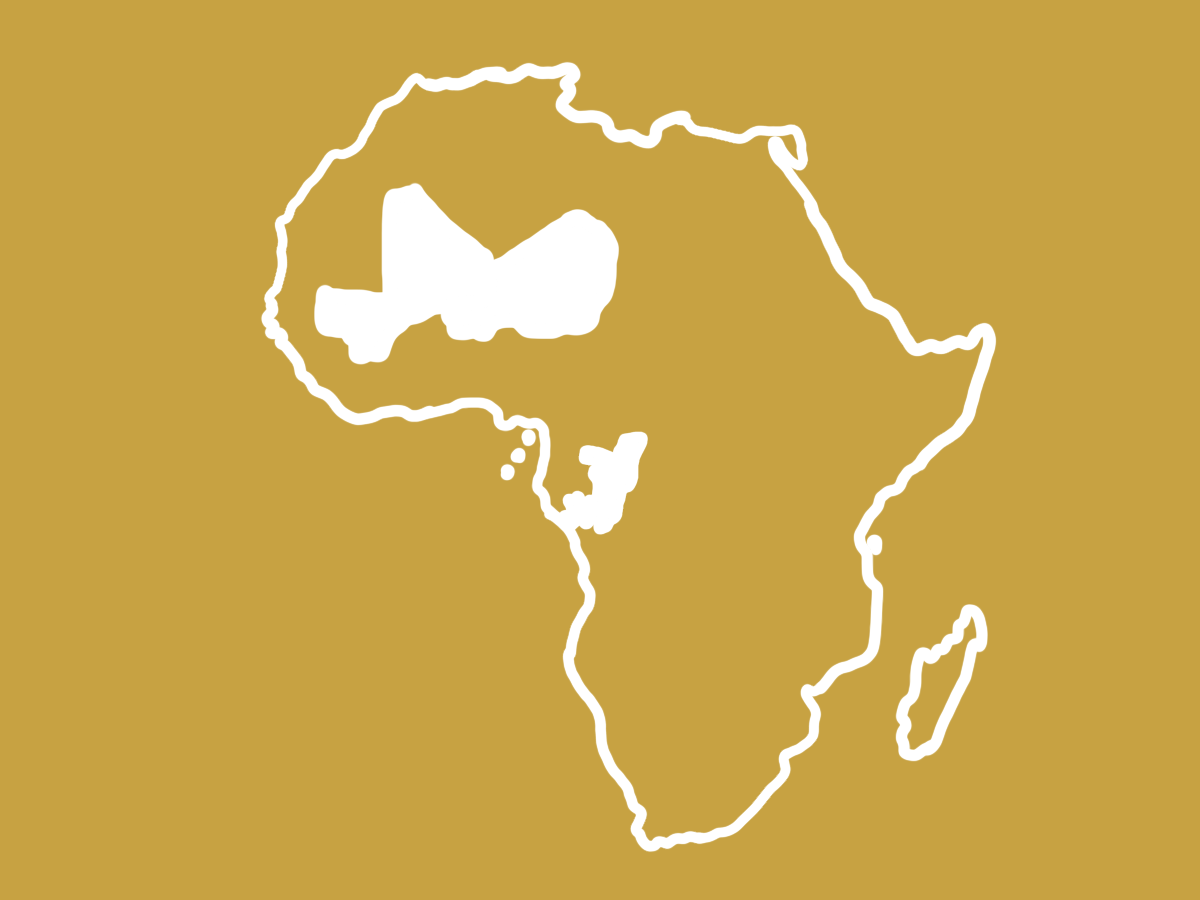
During the years 2021/ 22, I was able to take a life changing journey through 11 African countries. I was able to make valuable observations that would enable me to formulate methodologies, methods and research directions altering the ways the traditional textile designs and practitioners are being affected throughout the African continent.
The Traditional textiles and the people making them are not a very visible part of the contemporary textile industry. You have to ask the right persons (Find the right people to ask).
You might then be able to be brought to remote places where a person might still be practicing the textile craft on the traditional loom.
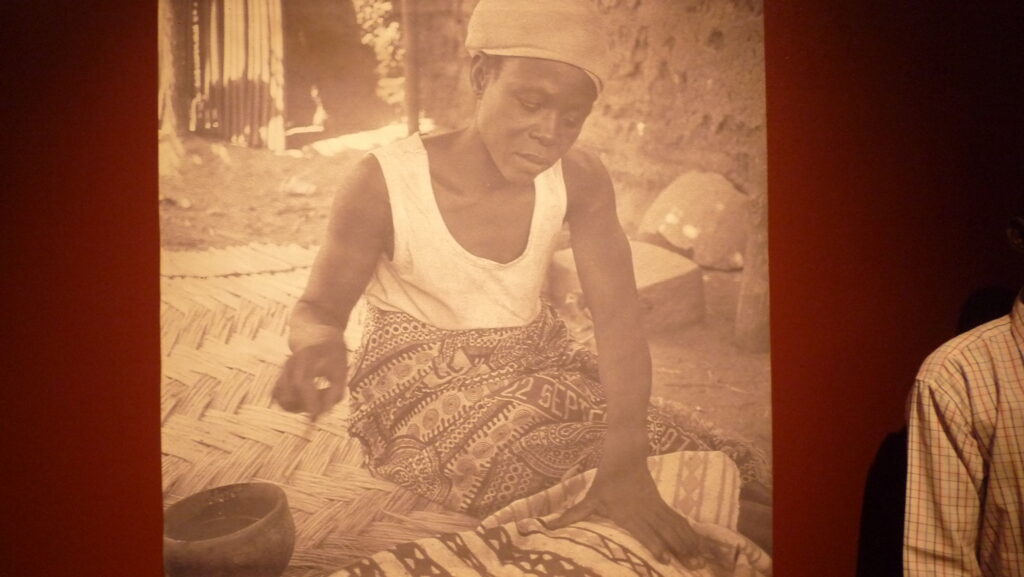
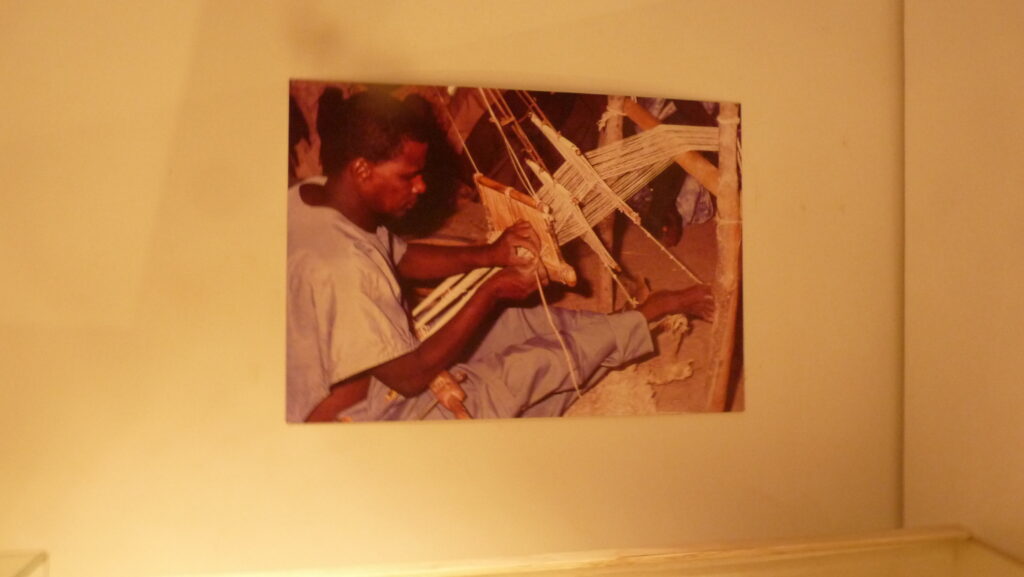
During my drive I observed a mixed crowd wearing both European style clothing and Wax printed fabrics. It was rare, ver rare if ever I observed the traditional local textiles.
The roads in Africa are great, where there are patches of bad road, consorted efforts are being made to improve these. Large trucks drive throughout the continent taking goods from country to country, city to city.
Mali and Burkina Faso are countries very strong in their cultures. People there are very proud of their cultures and they incorporate traditions in contemporary settings.
Artisans have their shops throughout the cities of the country. In Burkina Faso for example I was able to visit a business centre where people from various African countries came to display their products.
On this particular day products from Morroco were the dominant products on display, as Morroco invest in Moroccan businesses to push their products on the continent. I would like to see more African nations promoting their local products in eachothers countries. There was no textiles from any country here.
My journey took me further through Togo, Benin, Nigeria, Niger, Tchad, Cameroon, CAR and eventually Republic of Congo.
As I was waiting for my Visa in Brazaville, I decided to explore the traditional Congolese textiles. During my visit to the cities large market of Poto Poto, I came across a Malian ran textile shop among the many Indian ran shops on the high street.
As I was asking for for the Congolese traditional headwraps, my eyes were drawn to a striped heavy cotton quality worn 20-25 cm stripe cloth. I knew immediately I stroke gold.
Before this, I was contemplating the lack of intercontinental trade, which would greatly boost the textile sector if these could be exported among the African countries.
My beautiful Burkinabe made textile, was 10x more expensive than the average textiles in that store. The shop owner explained to me that transportation, from Mali to Congo, was a large part for the high cost of the cloth. Employing a tailor, with experience in pattern cutting with strip fabrics was also a challenge. There is definitely space for specialised knowledge creation in design and pattern cutting using traditional textiles.
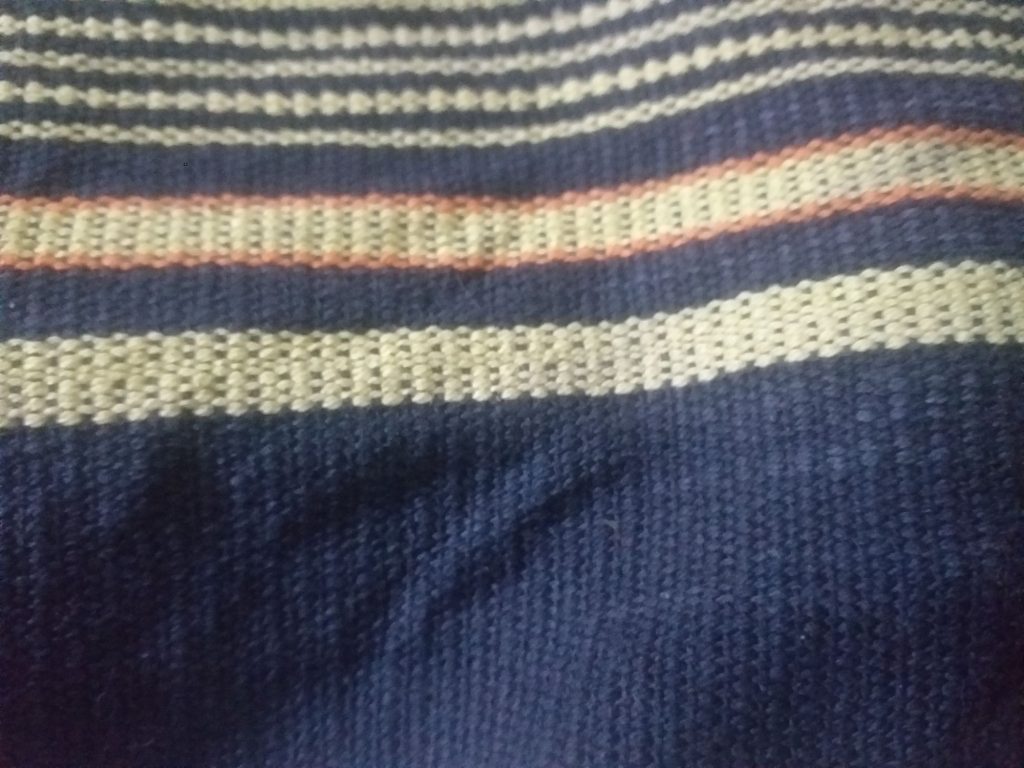
The cloth was beautifully hand woven, striking colour combinations allowing me to create a beautiful long dress.
I knew, based on the weaving patterns, that the artisan used years of passed on knowledge to construct this cloth.
Design analysis
The warp colours of this textile are yellow, black and orange. The weft is all black. The pattern sequence is constructed with a variety thicknesses of vertical lines of black, yellow and orange sitting perfectly on the weft.
The length of the textile is about 100cm, and the width was 15 inch. This would be in keeping with the use of the traditional handloom. This does not mean that larger looms looms are not also part of an older traditions of weavers in this region. This however not been investigated as of yet. But what is certain is that the yarn used in this piece are not hand spun yarn but mechanically produced yarn.
I can not state for sure that the yarn would of been imported into Mali, as Mali is a large cotton producer and has been making consorted efforts in rebuilding all parts of its textile industry while preserving its traditional artisan textile sector.
Having had the opportunity to speak to the seller/ owner at length, I was informed that these textiles are very much loved but for the prices. The cheap imports place a role, but also the transportation and import duties make the selling prices 10x higher.
Nevertheless there is still a niche market for these fabrics and in time, with further developments of trade among the African nations, in combination with effective government policies, the prices might eventually come down.