The Photograph and the Sampler
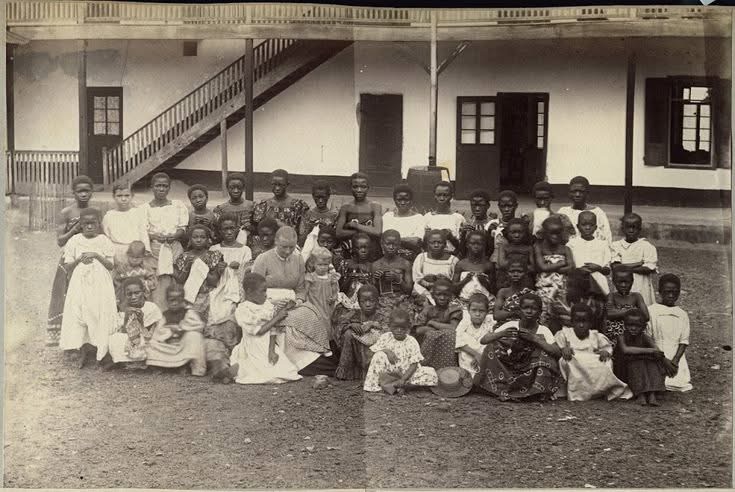
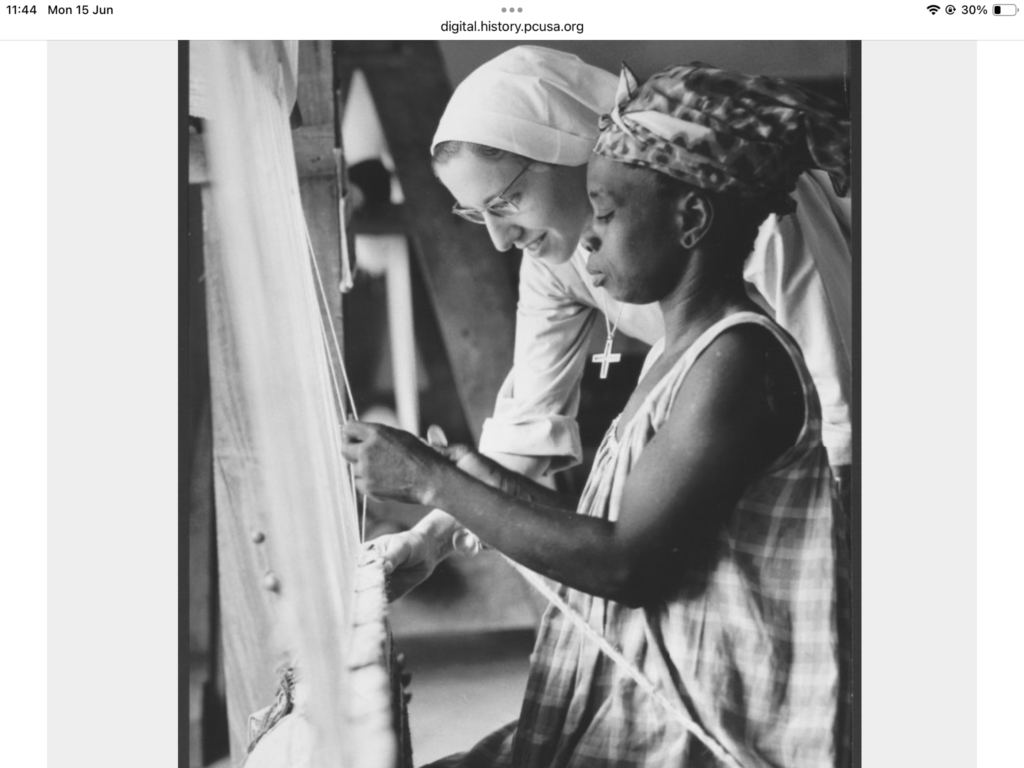
There is a photograph taken circa 1930 in Burkina Faso. It shows White Sisters teaching local girls "Western European embroidery." The scene appears benevolent, but here is what it does not show.
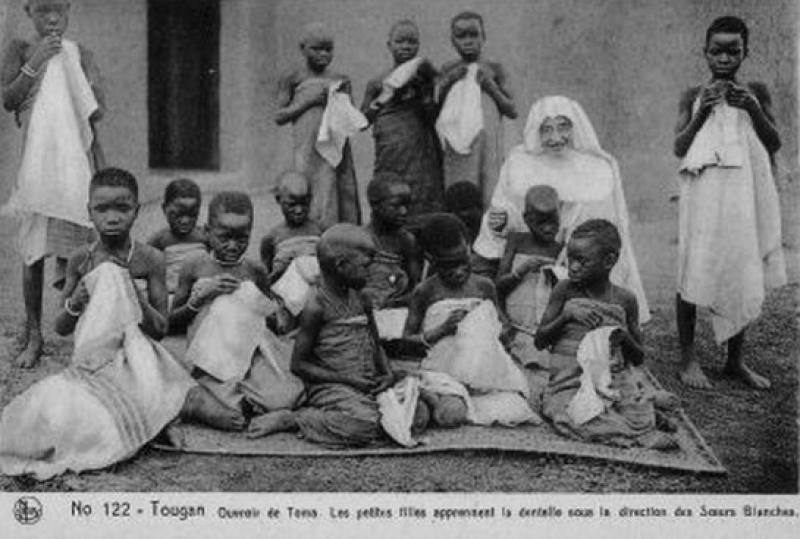
The same nuns, in North Africa, taught Chebka lace. Chebka is not European. It is North African, a sophisticated indigenous needle-knotted stitch. Yet it was extracted, renamed, and taught back to Africans as European knowledge. This was not cultural exchange, it was erasure by design.
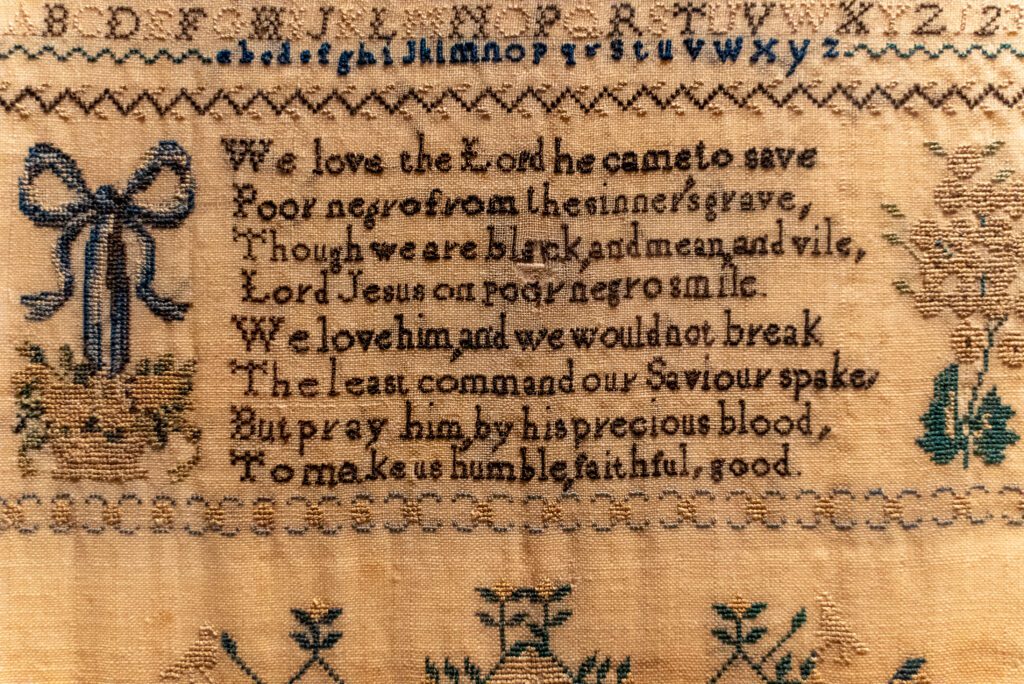
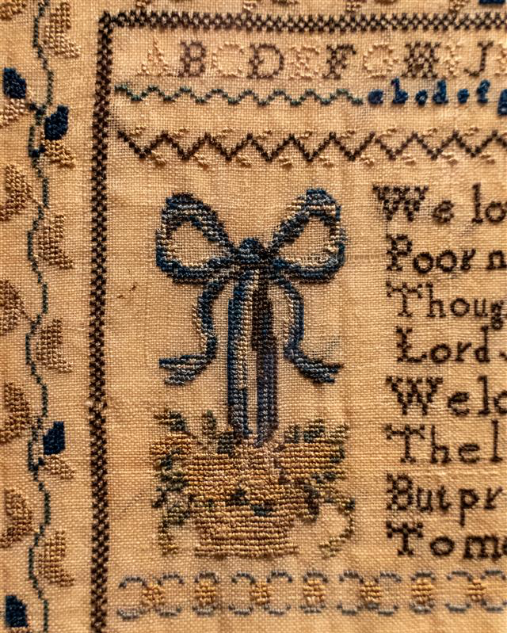
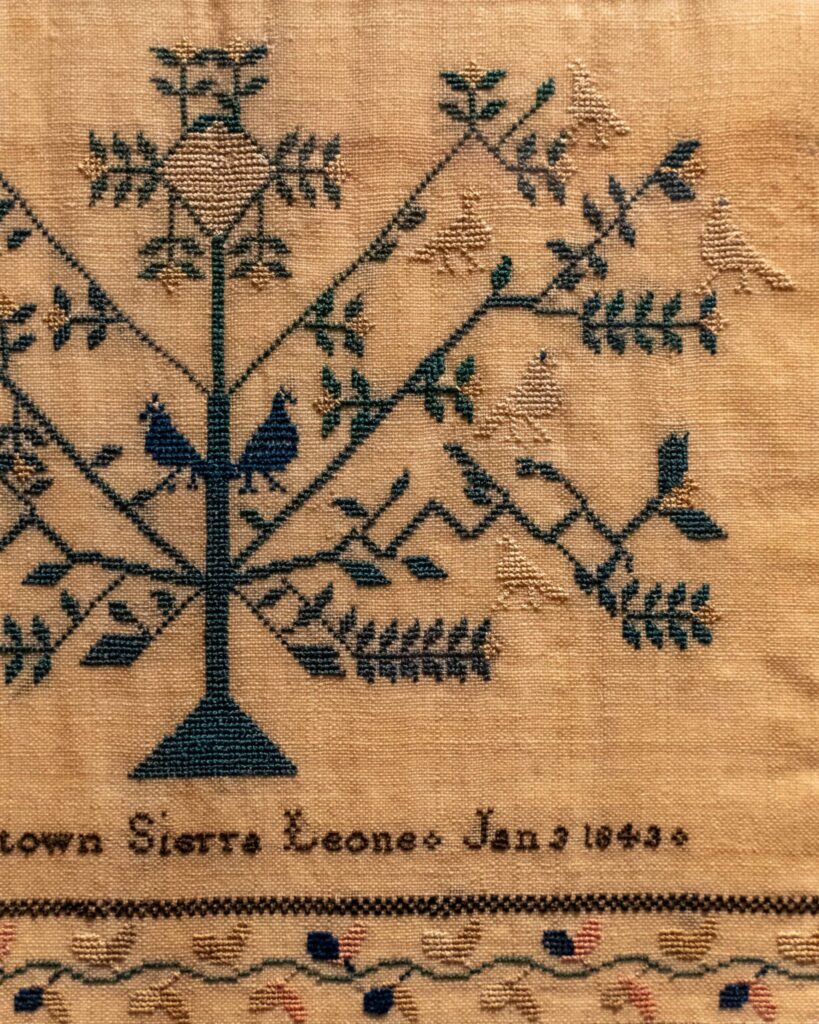
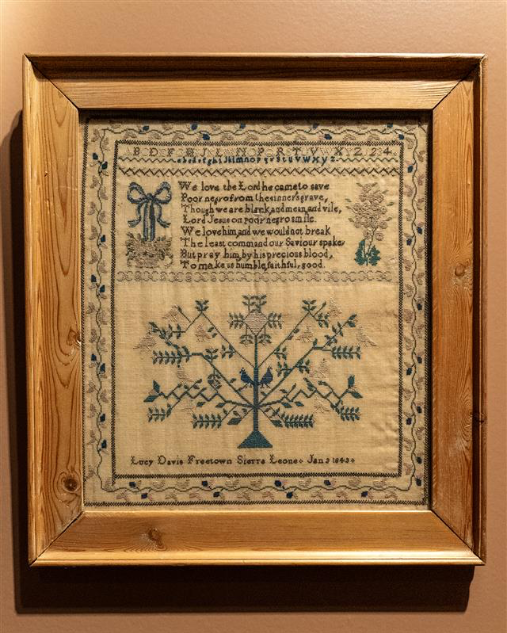
In a museum in Delaware, a small piece of linen holds a confession. The sampler was stitched on January 3, 1843, by a Black African girl named Lucy Davis at a Church Missionary Society (CMS) school in Freetown, Sierra Leone. Her needlework features a verse from a hymn published in The Missionary Repository for Youth:
"We love the Lord he came to save
Poor negro from the sinner's grave,
Though we are black, and mean, and vile,
Lord Jesus on poor negro smile.
We love him, and we would not break
The least command our Saviour spake,
But pray him, by his precious blood,
To make us humble, faithful, good."
The child is not learning to read, she is learning to recite her own inferiority. Stitched into fabric, made permanent, displayed as evidence of successful missionary education. The Lucy Davis sampler sold at auction in 2018 for $3,840. The auction house catalogue described it as "rare" and noted an "intentional cross-stitch error.
The Winterthur Museum, which holds the sampler, calls it a reflection of "the paradox of colonial education." Paradox suggests two truths held together. This is not paradox. This is psychological warfare conducted with thread. They acknowledge that missionaries used such literature to "Christianize and anglicize African youth and reinforce British colonial hierarchies of race and class."
The chain of teachers who trained Lucy Davis is revealing. Jane Hickson Boston Young (1810-1841) was an African woman educated at a CMS school in the Rio Pongo region (now Guinea). She learned needlework from an African American woman who had been resettled in Africa after the American Revolution. That woman was formerly enslaved. She had survived the Middle Passage, or been born into slavery in the Americas, and had chosen to return to Africa. She was a returnee.
Formerly enslaved African American woman → Jane Young (African woman) → Liberated African women → Lucy Davis (Black African girl)
The missionaries controlled the institution, the curriculum was theirs. The shame was theirs. But the instructors were not all white. Some were Black women who had navigated the same system of extraction and found a way to survive yet became complicit to that same system.
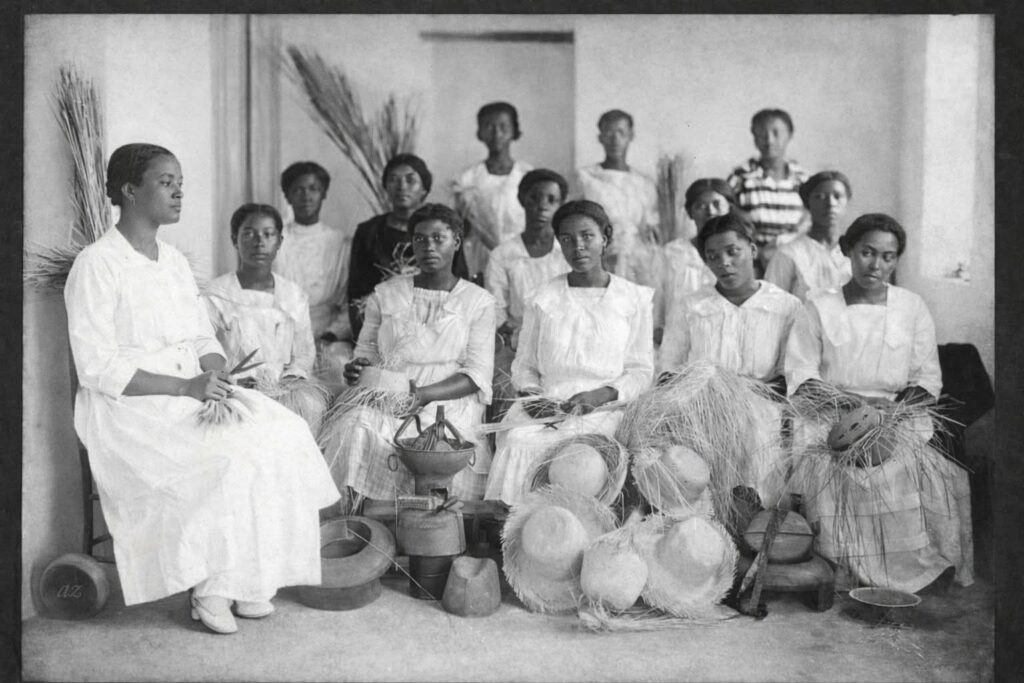
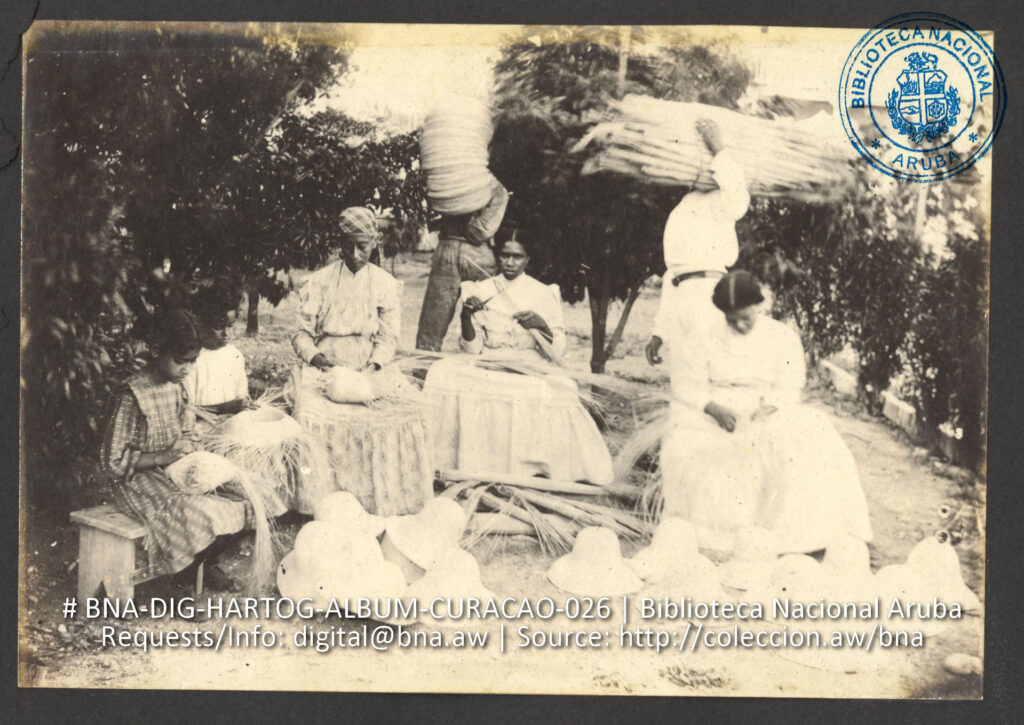
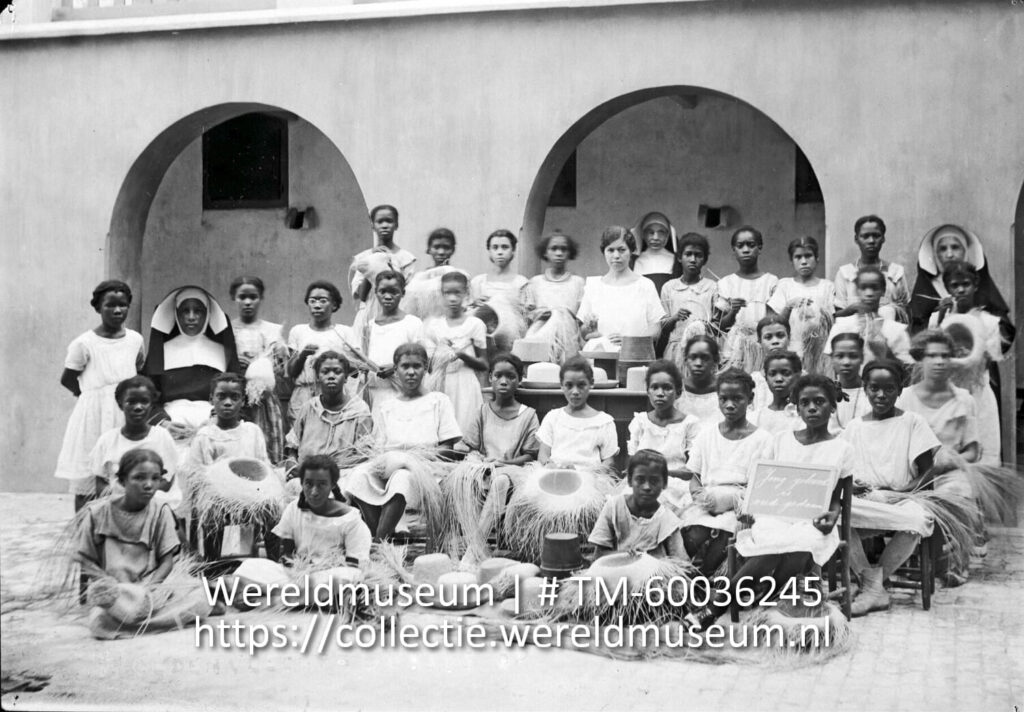
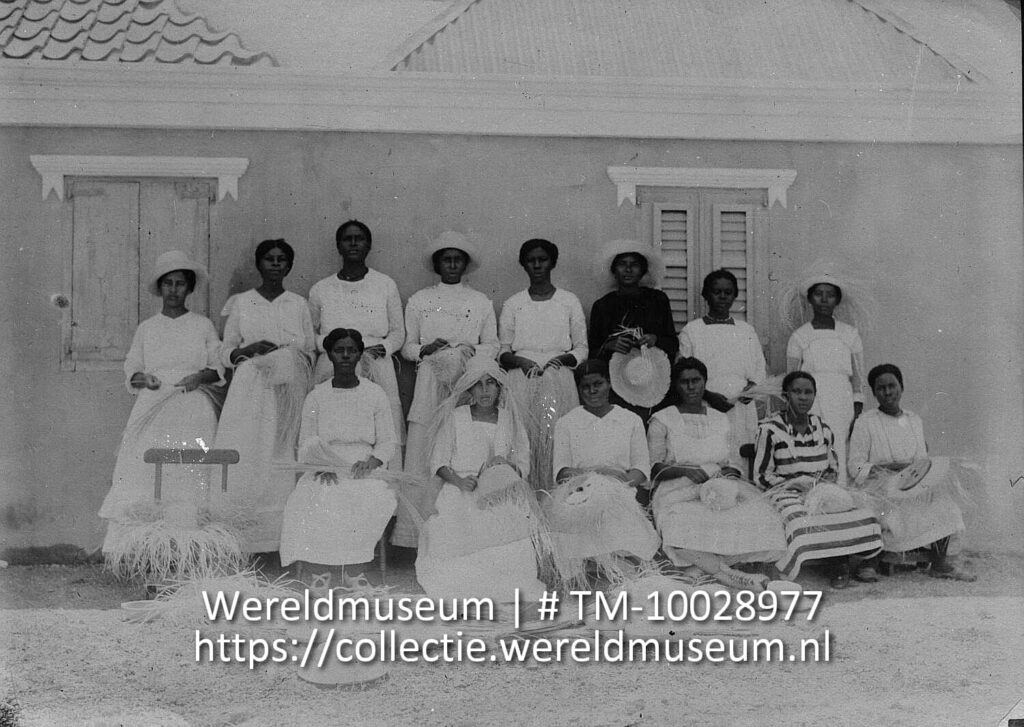
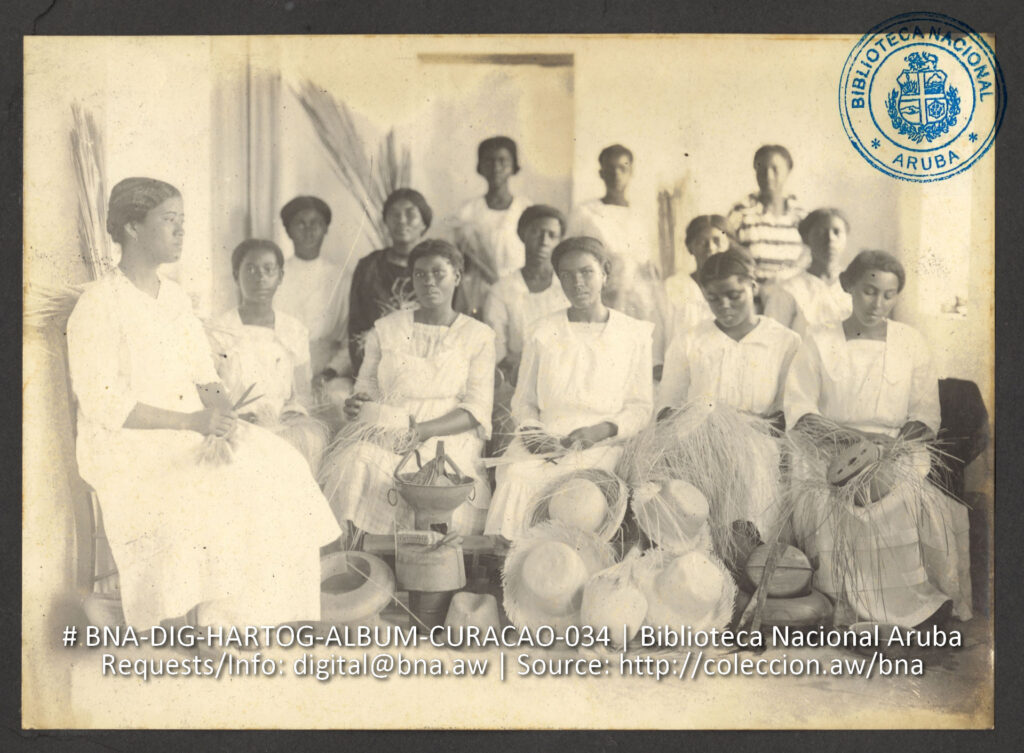
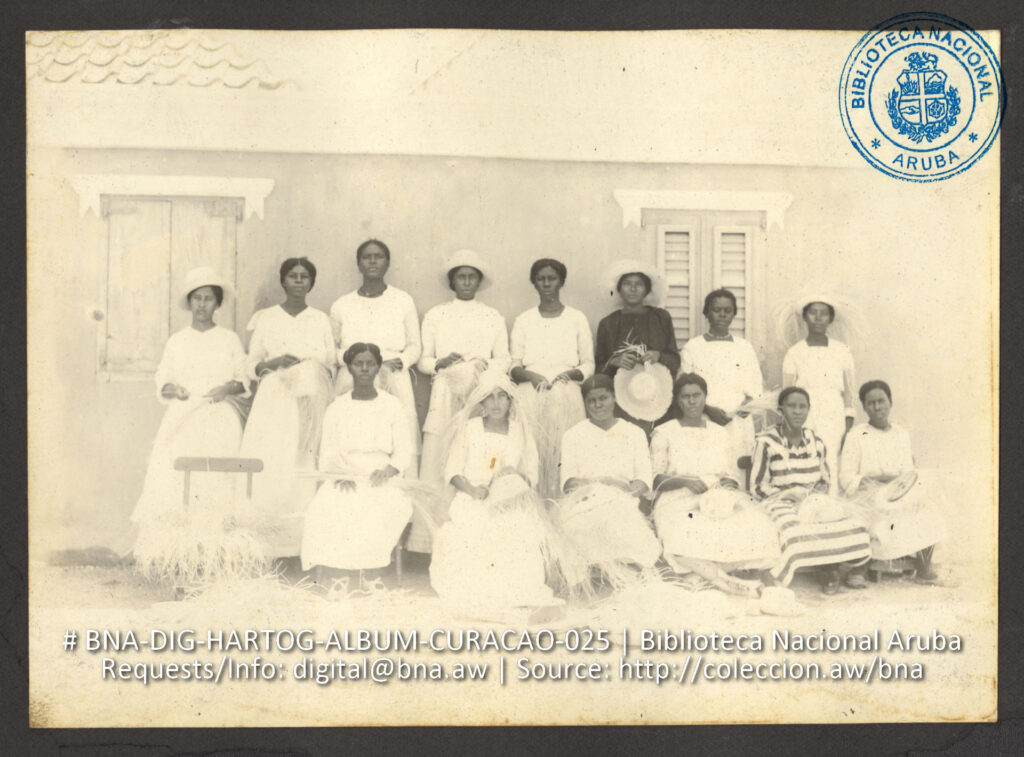
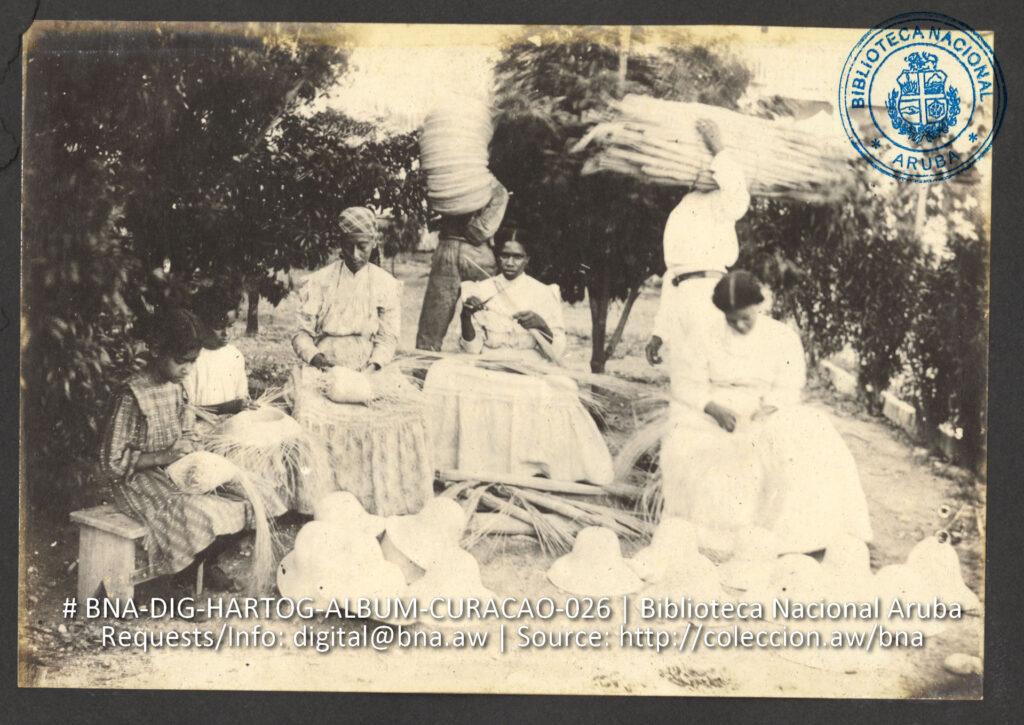
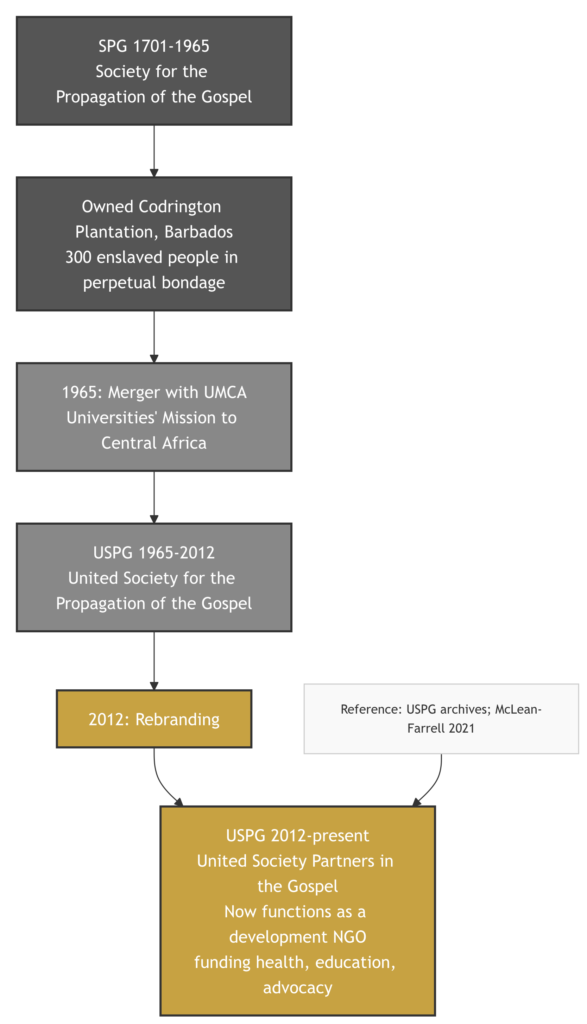
The Church Missionary Society was not the only missionary organisation operating in Africa. The Society for the Propagation of the Gospel (SPG) was older, richer, and more directly entangled with slavery. Founded in 1701, the SPG owned the Codrington Plantation in Barbados. The bequest that established the college explicitly required that 300 enslaved people be kept in perpetual bondage to support the institution.
The Barbadian scholar Janice McLean-Farrell documents that the SPG's "troubling missionizing principles advanced oppressive colonial structures, while failing to fully develop the personhood, agency, and full emancipation of the oppressed." The education of Black people was not altruistic. It was designed to make them obedient and hardworking labourers for the colonial economy.
Some enslaved and free Black people became complicit, they were trained, they were educated. They became teachers, catechists, and petty administrators. They enforced the rules, they taught the curriculum. This complicity is real, and it continues today in different forms.
Diagram 1: SPG → USPG
The White Sisters and the Lace That Left
In Burkina Faso, in 1930, the White Sisters taught local girls "Western European embroidery." The photograph shows the scene. The TRC Leiden notes that many items were sold to support the missionary schools. Some regard this as "colonial exploitation at a level near to slavery."
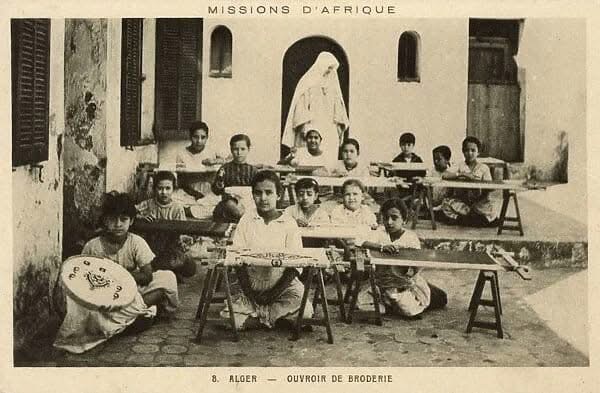
But the more sophisticated extraction happened in North Africa. Chebka lace is a needle-knotted stitch originating in North Africa. It was first practiced in Tunisia by individual women to adorn their traditional garments. Under the impetus of missionary nuns, the technique was developed further in Algeria and Morocco. The French protectorate encouraged its development because it found an important market in France.
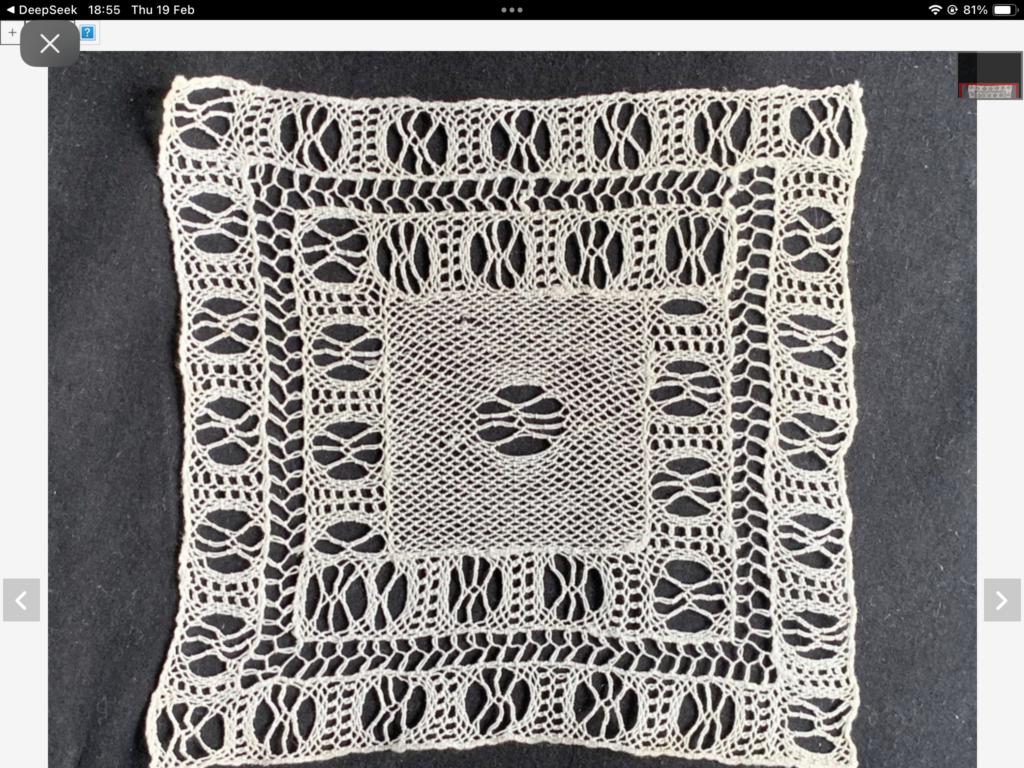
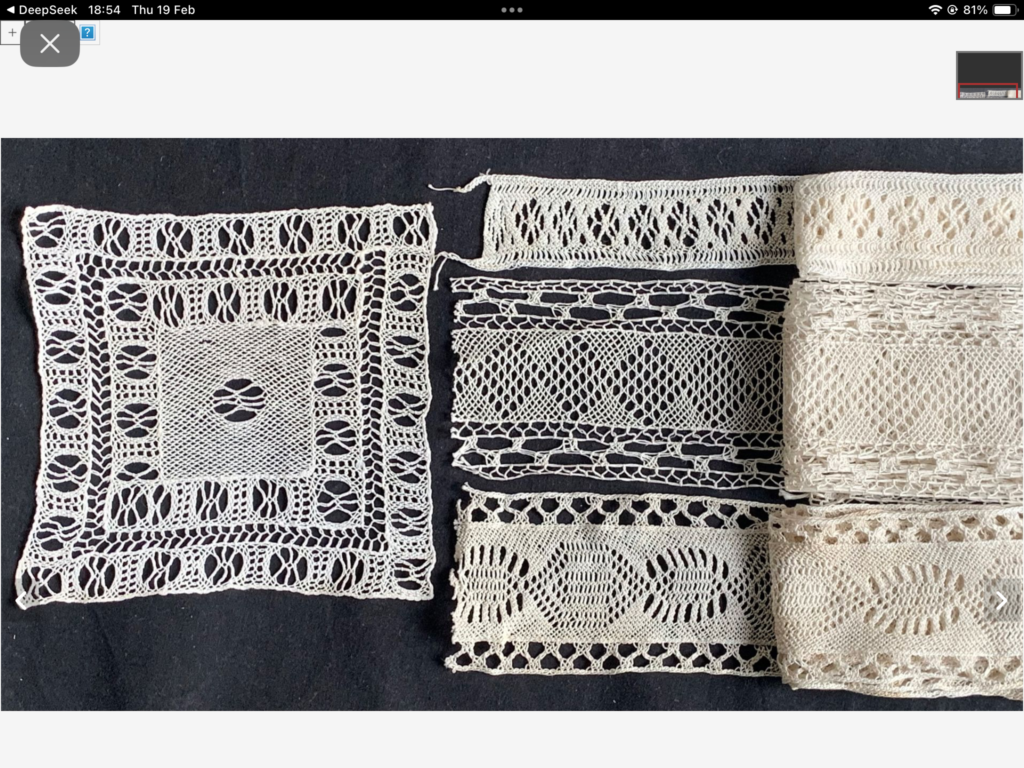
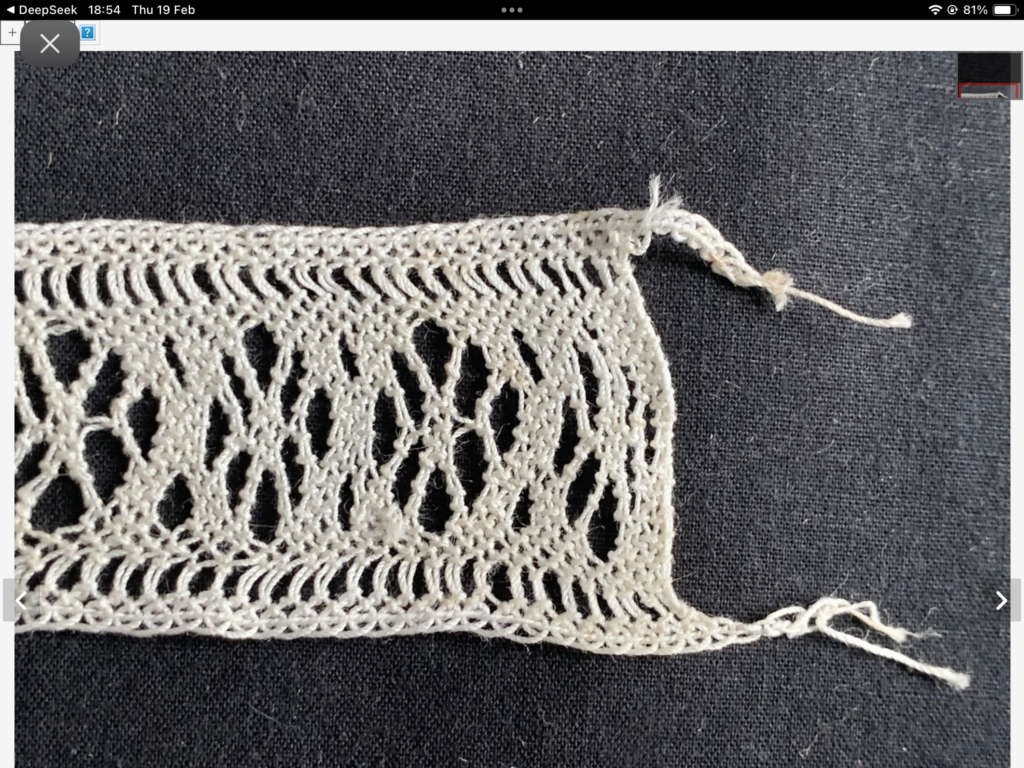
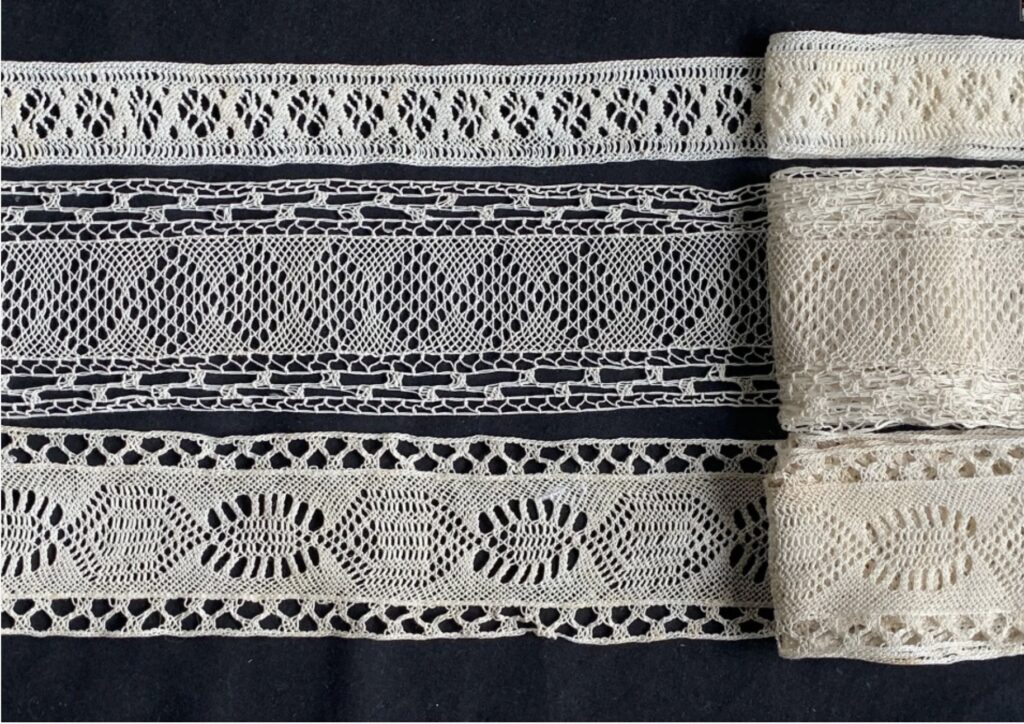
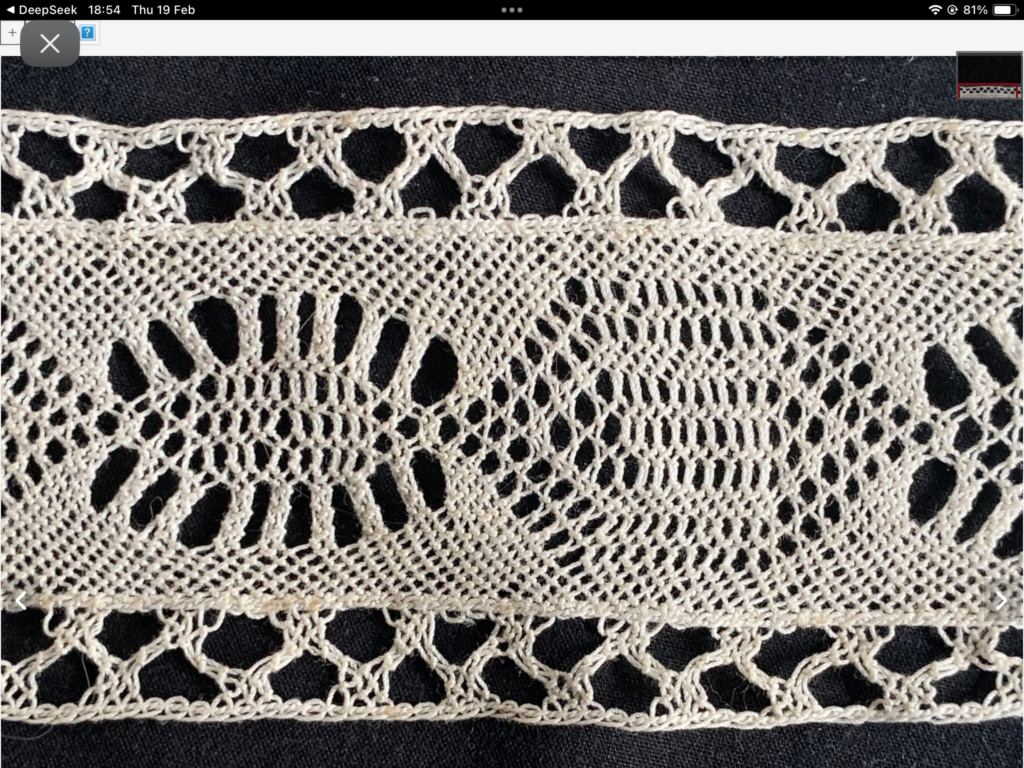
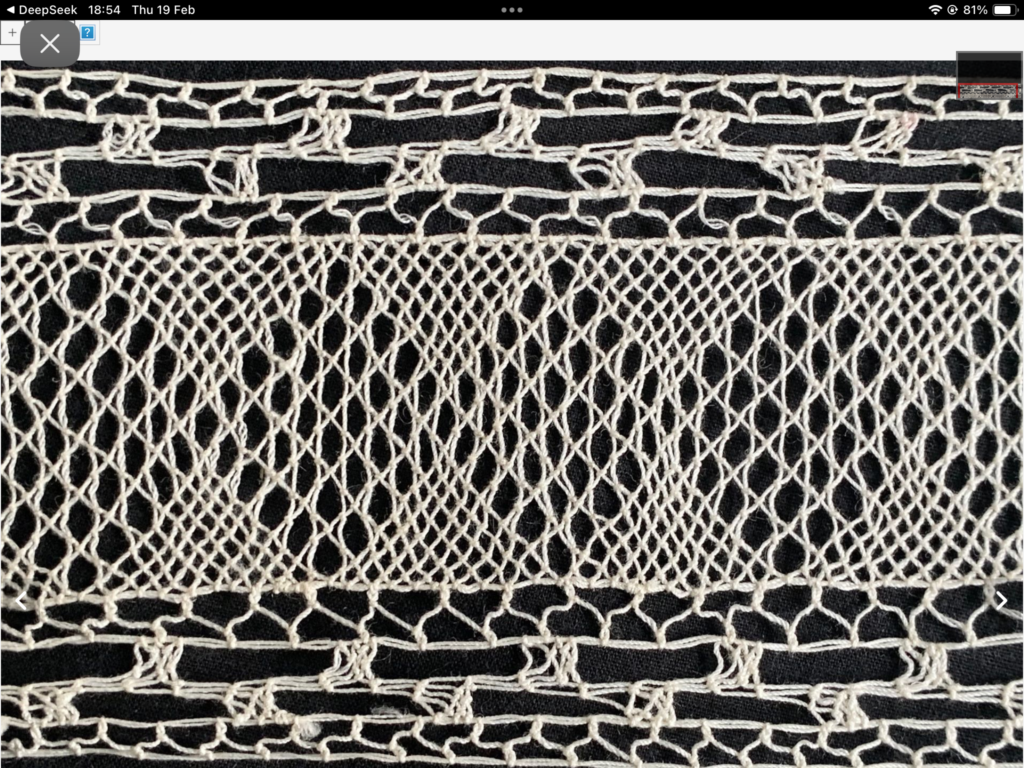
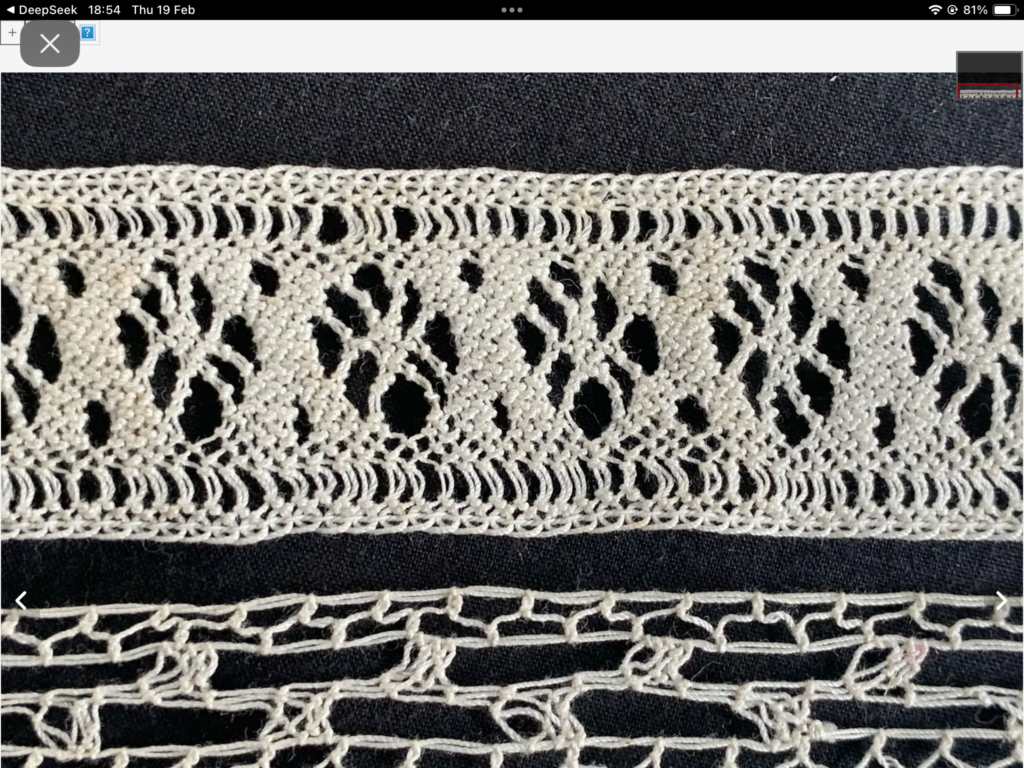
Chebka lace creations were adapted to the French market. They produced collars, bibs, and doilies. The technique was extracted, renamed, and taught back to Africans as something valuable because Europeans valued it. The labour was African. The market was French. The profit was European. The original practitioners were not credited.
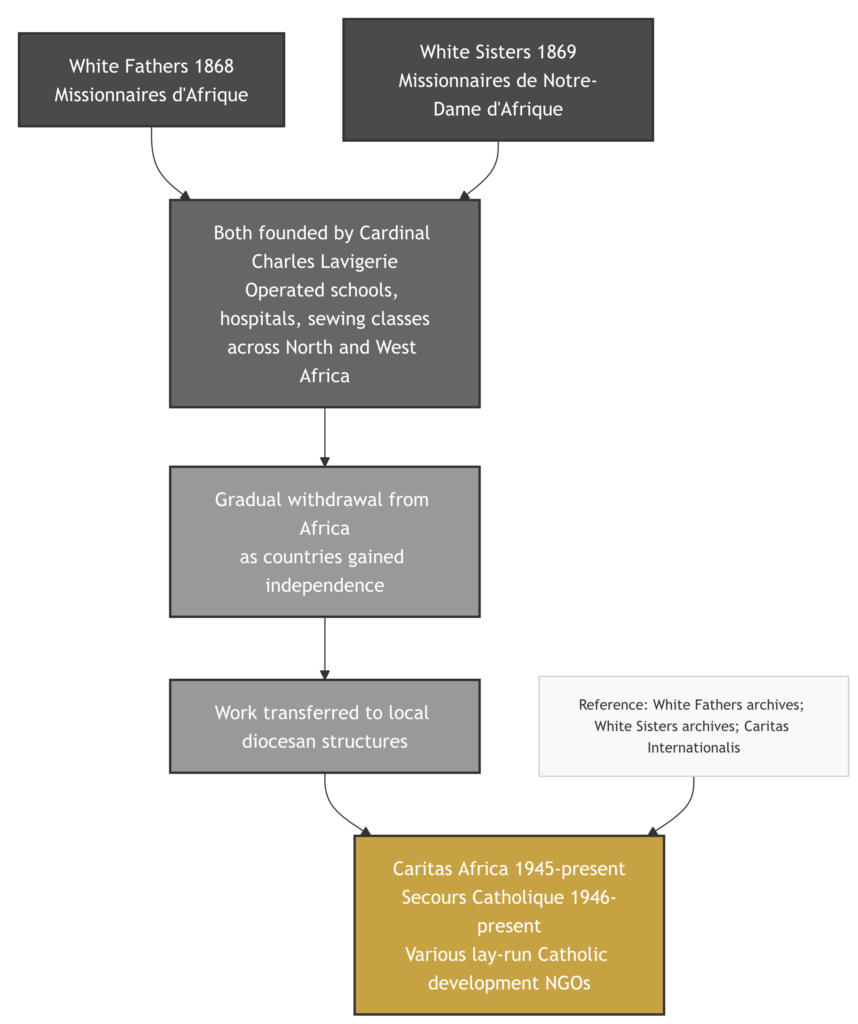
Diagram 2: White Fathers / White Sisters → Caritas
The Basel Mission Sewing Schools
In Ghana, the Basel Mission operated sewing schools in Kyebi and Akropong. The photographs from 1904-1905 show African girls learning needlework under missionary supervision. The curriculum taught European techniques, European garment construction, and European aesthetics as superior.
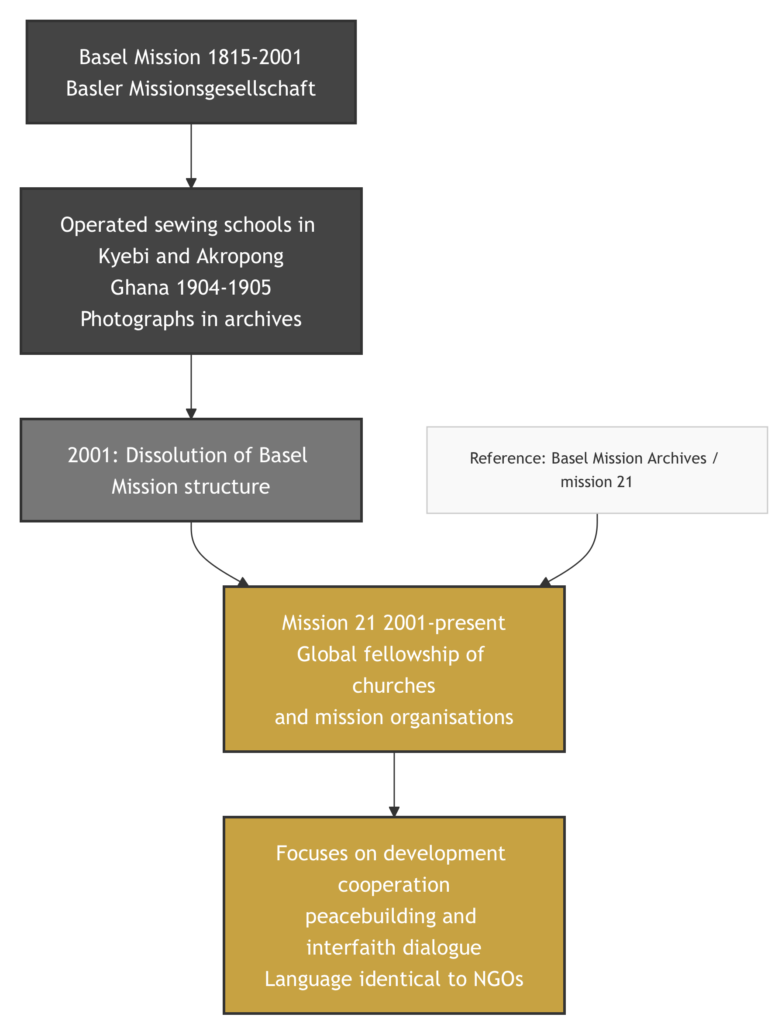
The Basel Mission formally dissolved its missionary sending structure in 2001. It was replaced by Mission 21, a global fellowship of churches and mission organisations based in Basel. Mission 21 focuses on "development cooperation, peacebuilding, and interfaith dialogue"—language indistinguishable from NGOs.
Diagram 3: Basel Mission → Mission 21
The Lost
While African girls were learning to sew European embroidery, their own textile systems were going extinct.
In Buganda (Uganda), the Baganda had a thriving barkcloth industry. Barkcloth is made from fig trees. It is an indigenous fabric, not woven but beaten. The missionaries actively discouraged its use. They promoted the "clean shirt" or "white shirt" ideology, arguing that before the Western God, all people are alike if they keep their bodies clean—which the missionaries interpreted as "white." The result was the demise of the Baganda barkcloth industry.
In Namibia, among the Aawambo people, the Finnish missionaries taught that traditional costumes and ornaments were "heathen objects." The locals were persuaded to burn their traditional clothes. Sabina David states: "people eventually did away with traditional clothes and burned them." The imported European dress code has "no similarity or relevance to Aawambo cultural beliefs or lifestyle."
In the Democratic Republic of Congo, Kuba raffia textiles, cut-pile embroidery ("velvet raffia"), and other techniques declined. The colonial economy had no use for raffia. It could not be exported in bulk. It could not be processed in European factories. So it was ignored. Its knowledge system was not protected.
The pattern is consistent across the continent, the method is extraction, the tool is thread.
The Continuum: From Slave Owners to Missionaries to NGOs
The missionary organisations did not disappear, they rebranded.
· The SPG that owned slaves in Barbados is now USPG, a development NGO funding health, education, and advocacy projects.
· The Basel Mission that taught sewing in Ghana is now Mission 21, a global fellowship for "development cooperation."
· The White Sisters who taught lace making in Burkina Faso now work through Caritas Africa and Secours Catholique.
The names changed, the structure did not, the extraction continued. Only the language changed—from "saving souls" to "sustainable development," from "civilising mission" to "capacity building," from "conversion" to "empowerment."
Diagram 4: Labour Extraction Timeline

The missionaries did not come to teach Africans to sew for themselves. They came to teach Africans to sew for Europe. The hats, the lace, the embroidered cloth these were not for local use. They were for export. The labour was African, the profit was European. They have been actively creating skilled labour according to their needs, as time passes, Europeans come and extract labour under a variety of disguises, the main disguise being NGO’s
The same people who told Lucy Davis that she was "black, and mean, and vile" took the products of her hands and sold them abroad. The shame was not the end, It was the means. Convince the worker she is inferior, then extract her labour, then sell it back to her as charity.
The thread has not been broken. Read about this in Part 2: The Value Pyramid - Why the Artisan remains at the bottom.
References
· Basel Mission Archives / mission 21. "Nähschule in Kyebi (Sewing class in Kyebi)." Reference: D-30.13.039. https://bmarchives.org/items/show/56603
· Basel Mission Archives / mission 21. "Nähschule in Akropong 1904 (Sewing school in Akropong 1904)." Reference: QD-30.106.0153. https://bmarchives.org/items/show/71875
· Caley, Maria A. N. "The Modernized Traditional Dress of the Aawambo." University of Turku.
· Coutau-Bégarie Auction House. "Three entre-deux and one carré in Chebka lace, North Africa, late 19th/early 20th century." Lot 129. https://coutaubegarie.com/en/lot/157092/26525906
· Fulham Palace. "Church of England's plantations in Barbados." 13 March 2023. https://www.fulhampalace.org/resistance/church-of-england-plantations/
· McLean-Farrell, Janice, and Michael Anderson Clarke. "Missions in Contested Places/Spaces: The SPG, Slavery, and Codrington College, Barbados." Mission Studies, 2021.
· Mission 21. https://mission-21.org
· Monk, Matthew, and Linda Eaton. "A Sampler's Story from Sierra Leone." Winterthur Museum, 5 September 2025. https://www.winterthur.org/blog/a-samplers-story-from-sierra-leone
· Strickrodt, Silke. "African Girls' Samplers from Mission Schools in Sierra Leone (1820s to 1840s)." History in Africa, 2010;37:189-245.
· TRC Leiden. "Embroidery and the White Sisters." 29 June 2015. https://trc-leiden.nl/trc-needles/regional-traditions/middle-east-and-north-africa/pre-modern-middle-east-and-north-africa/embroidery-and-the-white-sisters
· USPG (United Society Partners in the Gospel). "About USPG." https://uspg.org.uk
· Winterthur Museum, Garden & Library. "Sampler by Lucy Davis." Object number 2018.0007. http://museumcollection.winterthur.org/single-record.php?recid=2018.0007
Image Sources
· Winterthur Museum. "Sampler by Lucy Davis." Object number 2018.0007. http://museumcollection.winterthur.org/single-record.php?recid=2018.0007
· TRC Leiden. "White Sisters teaching lace making, Burkina Faso, 1930." https://trc-leiden.nl/trc-needles/regional-traditions/middle-east-and-north-africa/pre-modern-middle-east-and-north-africa/embroidery-and-the-white-sisters
· Coutau-Bégarie Auction House. "Chebka lace pieces, North Africa, late 19th/early 20th century." Lot 129. https://coutaubegarie.com/en/lot/157092/26525906
· Basel Mission Archives. "Nähschule in Kyebi (Sewing class in Kyebi, Ghana, 1905)." Reference: D-30.13.039. https://bmarchives.org/items/show/56603
· Basel Mission Archives. "Nähschule in Akropong 1904 (Sewing school in Akropong, Ghana, 1904)." Reference: QD-30.106.0153. https://bmarchives.org/items/show/71875
· Mary Evans Picture Library / Media Storehouse. "Arab children in an embroidery school, Algiers, Algeria, c. 1920." https://www.mediastorehouse.co.uk/mary-evans-prints-online/arab-children-embroidery-school-algiers-algeria-14257618.html
· International Mission Photography Archive. "Les Soeurs Bleues de Castres Au Gabon." Reference: impa-m12751. https://digitallibrary.usc.edu/asset-management/2A3BF1E5J4RX
· Pearl Digital Collections, Presbyterian Historical Society. "A missionary nun trains a Malian woman in the use of a loom." Caption number C-46651. 14 August 1973. https://digital.history.pcusa.org/islandora/object/islandora%3A123456
· University of Southern California. Libraries. "Mission sewing class in Brazzaville, Congo, circa 1920-1940." https://dp.la/item/df6d2427c1d3a832fd0caa1cf129e59b
· Yale Divinity Library. "Missies der PP. v. d. H. Geest - Missions des PP. du St. Esprit. -- Het bewerken van de raphia te Lubunda." https://collections.library.yale.edu/catalog/12345678
· Mennonite Archival Information Database. "Sewing Class at Kajiji Missions School, Zaire, 1983." Reference: 8bec-dk3a-4bnk. https://archives.mennonite.net
· Africa Commons / University of Southern California. Libraries. "Needlework exhibition at Ntoma Home Craft School, Tanzania, 1980." Reference: impa-c123-100957. https://africacommons.net
· International Mission Photography Archive. "Leçon de couture, Mme Lenoir. École de Makulane, Mozambique, August 1901." Reference: impa-m59014. https://digitallibrary.usc.edu/asset-management/2A3BF1E5J4RY
· United Church of Canada Archives. "Cartmell Sewing School, Japan, circa 1910s." Reference: 2000.017P/2959. https://archives.unitedchurch.ca